What We Didn’t Do

As our company draws towards closure in a couple of months it’s worth noting what we did, and saying something about what we didn’t do despite intentions.

We’ve worked for more than seven years primarily focused upon gambling with an emphasis upon electronic forms. The overall aim has been to contribute a little to addressing the harms arising from gambling. Martin and Adrian, company founders and directors, work on a voluntary basis and, until 2024 in a full time capacity. Our main achievement has been the production of a film which continues to be used by other organisations and agencies (and is free for anybody to view and use). We’ve also worked closely with other agencies, produced printed support materials, run four websites, visited a wide range of settings to meet and talk with people; the latter has seen us at events organised by third sector partners, visiting community venues, meeting specialised sectors such as debt and finance, talking with prison residents or medical students, and enjoying the resonance from involvement with networks of cross-sectoral work, and from this enjoyed encouragement and support.

What We Haven’t Done

Our primary concern with gambling harms induced its own momentum and determined our working focus. We had hoped to run alongside this, and fully integrated with it, something else. This was to have been a wider view of the digital environment including ways in which new technologies impact our lives for better and worse. In such a context, the gambling dimension would be a sort of case study of one example of digital determinants. Obviously this secondary aim involves a huge area, and we intended only to touch upon it. Simply, time demands prevented doing this.

Nevertheless, since in some ways our digital devices have become, as predicted by theorist Marshall McLuhan ‘extensions of our nervous systems’, we believe that attention to contemporary gambling practices should be located in this wider context. More immediately, for instance, the majority of intense gambling harms is associated with online gambling, particularly ‘slots’. With the ubiquity of mobile phones many or most of us have ‘a casino in the pocket’. In relation to online behaviour, gambling is one activity among many. There are concerns that engagement with digital media may itself be addictive for some people (so addictive gambling products are propagated on a medium platform which itself can be addictive. Numerous specific concerns have been raised, for instance relating to social media or psychological maturation; there have been noted possible ‘addictive’ trends relating to pornography and shopping. In short, we think digital gambling needs considering as part of a wide field of enquiry. Issues raise about digital usage include algorithmic ‘tracking’ of potential customers, data harvesting, surveillance, and important questions about personal liberty.

We’d also include in the digital environment the central cultural apparatus of our times, television. This is another huge field. Suffice it to say that the medium’s form has changed considerably, as have audiences engagements. It is, from one point of view, a mechanism to deliver audiences to advertisers which has always been the case but is now more intense. Thus there is significant challenge to saturation gambling advertisements, and those for other potentially harmful products.

Attention to ‘digital culture’ has generated much ongoing specialist and academic research It is nuanced and rigorous, and reminds us to not to be promoting a ‘moral panic’ or slashing around with uninformed opinions. As said, our own secondary aim was to touch upon the issues raised in order that gambling is located within a wider cultural context.

(See here for a post which touches on digital literacy in schools.)

Where does GAMBLING EDUCATION fit in?

Article by Adrian Bailey, Director, The Machine Zone

This is a long post, sorry! Skip the preamble/disclaimer by all means.

PREAMBLE/Disclaimer

This post is a ‘light touch’ consideration of some of the questions arising around the idea of gambling education. The introduction below gives some background and points to some of the major questions.

It’s good to start, though, by stating firmly what this article isn’t. It doesn’t and couldn’t offer criticism of the many gambling education initiatives currently running. It doesn’t claim to be other than very tentative. It claims no expertise.

It does try to highlight questions underlying all approaches to gambling education. This highlighting is drawn from existing practitioners and theorists for whom such questions have always been basic.

I taught in secondary schools and then further education back in the 70s and 80s. During this time I was also engaged in educational research. I’ve never been a gambler but I have had a serious addiction and severe and enduring mental health problem. After teaching I worked in the mental health field, and in the last seven years of paid employment I worked with people recovering from various compulsive behaviours. Only in the past three years have I become familiar with the area of gambling.

Through work and personal experience I have ‘researched’ (as an ‘educated layperson’) mental health, and ‘addiction’. Like many of you I don’t like that word, ‘addiction’ but for convenience will use it here. Regard it as no more than a signpost to what we may prefer to call by less stigmatised words, and even these are only signposts to the area of personal experiences.

These experiences are painful to individuals and their immediate networks. They relate to great social costs – economic costs, of course, but also serious negative repercussions upon the health and wellbeing of society. As such, they are public health issues in the widest sense. Because of this they are political issues too. Governments allocate funding for treatment, research and more; governments also, by attending – or not attending – to the issues raised suggest the priority – or lack of priority – of the issues raised and the allocation of resources.

Since it is a political issue, it is of concern to all citizens. In a democracy, a childless citizen has the right to be engaged with education. Someone who is young and healthy will engage with the health and social care policies of government, and provision for aging people. We may be materially well-off but have the right to challenge the existence in our own country of poverty and inequality. Concern for military horrors witnessed across the world gives every citizen the right to ask of the government’s foreign policy questions about arms sales it allows. So, you don’t have to be an ‘addict’, or mentally distressed or otherwise in pain to be involved, any more than you need to be a child in poverty to care about child poverty.

So, while having a specific interest in mental health and what is called addiction, by engagement with gambling education is as a concerned citizen. I can’t see any way of framing this as other than political.

Like most important issues, complexity encourages a wide variety of approaches and attitudes. As an interested citizen layperson I follow expert understandings of due humility.

As the philosopher William Irwin has written:

We ought to regularly and open-mindedly reconsider (alternative opinions and approaches) if only to remind ourselves why we believe what we believe.

INTRODUCTION

Gambling and gaming have been around since history began. Today we see a very wide spectrum. Truly, many millions do enjoy a ‘harmless flutter’ on a lottery or bet. Some buy scratch cards at £2 or £10 a time. It’s fun! Even without money we enjoy games of chance, the throw of a dice. Kids like me bet by throwing coins against a wall, then got into cards along with the cigarettes behind the bike shed. I’m sure kids still do. It’s something we learned in school but not from teachers. From our mates and the culture of kids passed on from one generation to the next.

If you’re on unemployment benefit or a low income, ten pounds can take a chunk out of basic living costs. Power, rent, food, council tax, presents for the kids. Even what looks like a small amount can have serious consequences. When people become hooked on gambling, often people in well-paid jobs or with good incomes, they can lose many thousands, even millions of pounds. Some – tragically – are driven to suicide. Others steal from their employers and end up in jail.

In the last ten years we’ve all become aware of the damage gambling can do. In response, a 2019 survey of the general public done by the Gambling Commission found that 27% of people think it would be best if ALL gambling were banned, while 82% agree that there are too many gambling opportunities today. The media regularly report on the often tragic impact of gambling on some individuals. For instance, in July 2020 The Guardian headlined a story: ‘How the Gambling Industry Got its Claws into Kids’. Former gamblers have initiated many organisations which document individuals’ stories; these are pressure groups, campaigners aiming to bring about fundamental changes in regulation, advertising and marketing, and the ‘addictive’ nature of some gambling products. Their work is mirrored in that of many academic researchers. Politicians from all parties have been and remain intent upon bringing about reform.

The industry, whose biggest members are represented by the Gaming and Betting Council, and its supporters point out that millions of people enjoy having ‘a harmless flutter’. It distinguishes between what it claims is a ‘small number’ of ‘problem gamblers’ from the vast majority of ‘responsible gamblers’. The industry also directly funds harm-prevention organisations such as Gamble Aware and thereby directs some of its 1% voluntary levy towards education and treatment. Several campaigns which we’ll discuss elsewhere are demanding a compulsory 1% levy with all monies ringfenced by government to fund completely independent research, education and treatment. Against this, campaigners have claimed that concentrating upon education and treatment, while important areas (in particular, treatment which is greatly under-resourced or provided), can lead to neglect or disguising of vital systemic issues such as product design, marketing and advertising, regulatory issues and conscious exploitation of vulnerable psychological attributes of the human being. Such a claim is also made at various levels by academic researchers. Rather than develop this tension here, I’ve appended some web addresses at the end to give you an idea of such research.

Education about health, finance, citizenship, alcohol and other drugs, mental health and all the other things that relate to our wellbeing is not only confined to schools and other formal education settings. Nor is it limited to youth. Public Health campaigns mount many informal educational projects. The mental health sector provides very many sources of guidance, information and learning. And, of course, kids learn from their parents, their peer group and the culture they live in  – probably in some important ways far more than they learn in school. We also learn from social media. We learn from the mass media: in particular, popular music is a potent source of learning; so is television. Taking the latter, a ‘soap opera’ with a storyline about gambling or other mental health problems can provide more powerful learning than in formal settings. We also learn from advertisements and marketing. We learn, for instance, that Product X is fun, or will make us happy. Not all learning benefits us. Some addiction experts believe that an addiction is learned behaviour (as opposed to some sort of disease).

But here we’ll focus on school education, and in particular education about gambling. This is normally provided by what’s known in England and Wales as Personal, Social, Health and Economic education. This is a developing area. There is a very active PSHE association which, as well as providing resources and curriculum discussion, lobbies for greater weight and training to be given to the area. They have some excellent guidance for teaching about gambling,  The extract below demonstrates just one aspect of the theory and practice of gambling education and its complexity if it’s to be considered thoroughly. The extract also demonstrates some aspects of gambling education lacking in certain other current approaches:

Understanding of gambling industry strategies to draw people in and keep them gambling, including those that exploit natural human biases and errors

Dark nudges — a term used by researcher Philip Newall— describe the techniques gambling organisationsuse to encourage participation in gambling. Researchers suggest the gambling industry utilises arange of techniques including:

      • Normalisation of gambling behaviours, particularly bycreating a perception that it is a key part of enjoyingsport entertainment

      • Legitimisation through partnering with trusted organisations(to convey the impression that gamblingis accepted by those known to be ethical)

      • Extensive advertising with particular focus on vulnerablegroups

      • ‘Free bet’ promotions and ‘welcome back’ bonuses

      • Encroachment into gaming including throughnon-monetary forms, e.g. ‘loot boxes’

      • Over-emphasising a distinction between problem and responsible gambling — encouraging people to think of themselves as responsible gamblers

      • Adverts and encouragement to bet on highly specificevents where participants are less likely to win (e.g.first goal scorer or specific scoreline)

      • Additional techniques are used in online gambling:

      • Use of ‘near miss’ outcomes exploit the human bias to try again if someone has a near miss

      • Losses disguised as partial wins (with audio and visual prompts to support this)

      • Meaningless ‘bells, whistles and associations’ makeuse of the human tendency to search for meaning in patterns

It is plausible that helping young people to become   aware of these techniques can help them to be moreresilient to them.

Understanding of gambling risks and harms

Most gambling education programmes aimed at adolescents include a component on gambling’s risks and harms. This would seem an inherent part of enabling young people’s informed decision-making. Two caveats however merit highlighting: first, the recent review of school-based gambling education programmes concluded that ‘promoting a negative viewpoint of gambling and its associated consequences are not sufficient to prevent gambling problems’— therefore this should only be a component rather than the entirety of gambling education.

Second, some young people may find risks enticing rather than aversive, linked to developmental differences in perceptions and responses to risk42, so how risks are presented and discussed is important.

from How to address gambling through PSHE education

It’s important to note that the PSHE work with Gamble Aware (funded by the industry). Some have felt that any funding from industry is not permissible but the PSHE – and Gamble Aware itself – have shown repeatedly that this is not necessarily the case.

In the extract above, young people are introduced to the role of industry in gambling harms. It’s noticeable too that the sort of education mooted here is not restricted to standalone sessions. As per government advice on all PSHE it can be integrated into the whole school curriculum. English/media education (analysing advertisements), mathematics (odds and risks) for instance. The PSHE experts are fully aware of age and development needs. One also has to consider learning disabled pupils. There is an emphasis (as there should be in all teaching) on teacher delivery. Research has shown what doesn’t work and may have effects opposite to what is intended. This includes being very careful about inviting former gamblers to speak: a totally unintentional outcome may be to make gambling risks attractive. The idea that most people can gamble without problems and only a few run into trouble is dangerous too. Scaring young people is very dangerous: many young people have ‘heard it all before’ about the terrible harms of alcohol, cannabis junk food: such scare stories conflict with their deeper learning from ‘real life’. Gambling education  should not be parachuted in to occupy a few sessions like a magic pill or injection: it should be part of a carefully integrated whole school developmental curriculum. Lessons should be participatory and interactive: few teachers these days (hopefully) talk at their students or expect them to magically absorb wisdom from texts.

The purpose of the foregoing has been to suggest that providing education about gambling is complex and requires expertise. One may also hope that educationists are the key providers of curriculum design, delivery and evaluation – which is far from the case presently. Education cannot be some simple panacea that can be ‘injected’ into a young person’s mind. In a school it also requires commitment from senior management to PSHE generally to design a developmental curriculum. It seems unlikely at present that delivery is optimal in all schools. Elsewhere, after training about gambling education (often a one day or less session) teachers have felt unprepared – or faced with an only choice of delivering a handful of discrete sessions to students.

Implementing gambling education requires theory partly based on what has been learned about teaching about other risky behaviours. Such research has looked at other countries. In the UK, the Alcohol Education Trust which works with the PSHE Association, founded in 2010, provides a promising future for what gambling education may achieve. The AET has had the time needed to evaluate programmes – and give statistically significant indicators of positive impact on students’ drinking behaviours. The gambling education field is new. It is, therefore, difficult for evaluation of particular programmes (the AET does compare its own work with others’). Nevertheless, by virtue of existing at all, the importance of very enthusiastic and well-managed projects contributes to establishing gambling education ‘on the agenda’. Good work is being done in this area by a few initiatives as well as the PSHE itself as ‘insiders’ with the power to link to other organisations and provide specific expertise. In Scotland, FastForward with its emphasis on peer group participatory workshops, theatre and a harm minimisation approach has a gambling hub to complement its work in health, risk and wellbeing. Many other projects continue to occur regionally, initiated by a range of organisations. However, such work is spread thinly, delivery is often flawed and there have been no informed research projects to evaluate programmes. They may, after all, be at best an expensive waste of time, and at worst counter-productive.

There are many obstacles to overcome and many contradictory approaches that need evaluating but education about gambling is growing and driven by enthusiasm and a wide, varied skills base.

HOWEVER!

There’s always a ‘but’! Here are some questions I think are important though I make no attempt to answer them.

    1. Within the context of all factors contributing to gambling harms is ‘gambling education’ emphasised too much and thus working to divert attention from other important factors?
    2. Given the current state of gambling education which offers promise but has many basic difficulties associated with it (as suggested above) is it likely to be a significant player in reducing gambling harm?
    3. How, when and by whom will gambling education programmes be evaluated and compared?
    4. How, when and by whom will gambling education within school curricula be evaluated?
    5. Which approaches to risky behaviours that have been evaluated in PSHE could potentially inform gambling education? What, if any, evidence is there that education about drugs, alcohol and tobacco has been effective?
    6. Should gambling education be positioned and weighted within an integrated national policy for reducing harms?
    7. Given that a fifth of school leavers are ‘functionally illiterate’ is there scope for informal youth education to reach young people? (Functional illiteracy refers to minimal literacy, insufficient for full functioning in life such as ability to comprehend more than very basic texts).
    8. Given that 49% of the working age population have numeracy levels less that those expected of a primary school child (National Numeracy) is it realistic to assume that all pupils will be able to engage with such things as odds, percentages etc. in delivery of gambling education?
    9. Gambling problems can affect anybody but since there will be a demographic sector correlating with (7) and (8), hence less reachable by education and less capable of understanding fully the architecture of gambling, does such a group represent a vulnerable sector at risk of exploitation?
    10. Could it be that calls for ‘education’ are based upon a naive and simplistic understanding of both education and the prevention of gambling harms? Or is there scope to examine any potentials for education about gambling? If current provision may be wasteful of time and money, may be ineffective or counter-productive, where are the spaces to highlight this and who will do so?

Some Links

Education Organisations

https://www.pshe-association.org.uk/content/gambling

https://demos.co.uk/project/reducing-the-odds/

https://www.epicriskmanagement.com/

https://gamblingeducationhub.fastforward.org.uk/

https://alcoholeducationtrust.org/

Parliament

http://www.grh-appg.com/

https://www.parliament.uk/business/committees/committees-a-z/lords-select/gambling-committee/news-parliament-2019/lords-gambling-report-published/

Gambling Commission (3 year strategy for reducing harms)

https://www.reducinggamblingharms.org/asset-library/national-strategy-to-reduce-gambling-harms.pdf

Public Health

https://www.frontiersin.org/articles/10.3389/fpubh.2020.00320/full

https://www.bmj.com/content/365/bmj.l1807

https://www.gov.uk/government/publications/gambling-related-harms-evidence-review/gambling-related-harms-evidence-review-scope

Some Academics

https://www.gold.ac.uk/media/documents-by-section/departments/anthropology/Fair-Game-Web-Final.pdf

https://www.youtube.com/watch?v=TazssD6L7wc

http://eprints.gla.ac.uk/179965/

http://eprints.whiterose.ac.uk/148267/1/CHB_Loot_Box_Features_Accepted.pdf

Media

https://www.theguardian.com/lifeandstyle/2020/jul/11/my-son-would-be-shaking-trying-not-to-go-online-how-the-gambling-industry-got-its-claws-into-kids

https://www.reform-magazine.co.uk/2014/08/a-change-for-the-better/

https://www.theguardian.com/society/2020/jun/24/uk-betting-firms-move-to-redirect-problem-gambling-funds-raises-concerns

https://www.cypnow.co.uk/news/article/primary-schools-teach-pupils-about-gambling-risks
Digital Health: Gambling

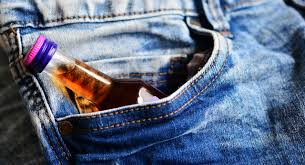
If you were recovering from drinking alcohol too much, it wouldn’t be a good idea to carry a bottle of booze around with you. These days, even carrying a mobile phone would be risky as in most cities you can order drink to be delivered 24/7 – for a lot of cash true, but when you’ve ‘got a habit’ any financial sense is the last thing that will protect you.

With gambling the problem is much worse. Unless you get rid of your phone and every other digital device you constantly have a casino in your pocket or near at hand on your other devices, 24/7 – in bed, at work, driving, on the bus or train, watching sports on television. And you’ll be assailed by precisely designed marketing to ‘enjoy’ playing ‘games’ precisely and scientifically designed to be potential instruments of addiction. Or instruments of torture.

You have choices with alcohol. Pour it down the sink. Avoid socialising with drinkers, at least early on in your recovery. Don’t carry it with you. Obviously.

But with gambling, unless you completely cut yourself off from the digital world, the supply is there by default. It follows you wherever you go. Younger people are ‘digital natives’. To them gambling is a completely normal and fun activity, especially associate with sport and sporting heroes. Loot boxes and other ‘games’ blur the boundary between childhood behaviour and adult ‘fun’. Every kid wants to grow up and act like the adults. Immersed in constant usage of digital devices – for good or ill – the ease of quick-thrill access to gambling, pornography and drugs (the latter just a text message away for quick delivery) puts many – not all – young people in harm’s way. What age checks may officially exist are easily circumnavigated. In the digital world you are not a thirteen-year-old you are a bundle of data. Very profitable data.

On our main site, The Machine Zone, we have begun to examine the huge area of what is known as Digital Health. This phrase is riding like a juggernaut through health services including the NHS and is already a multi-trillion dollar corporate industry. It is heavily promoted as A.Very.Good.Thing. In many ways it is and will be: there can be no doubt about that. But we’ll be looking at some more precautionary views. While data sharing can speed up and enhance healthcare, for instance, there are concerns about privacy. There’s also the question of whether a consultation with a human doctor may be more beneficial than diagnosis and treatment via remote apps and algorithms.

Well, it’s also the case that digital health should, in the interests of prevention, consider the digital causes of illness and ill-being. There are, in the case of gambling, many apps which prevent digital bank transactions – and credit card transactions are now illegal. One may ask, and be certain to be fiercely argued against, whether a truly effective preventive method may see the complete banning of all digital online gambling and hence marketing. Such a radical move, even the proposal, is enmeshed in the fundamental political questions around business and personal freedom, business and personal responsibility, loss in tax revenue, and – of course – the deprivation for millions who enjoy a little flutter responsibly and safely. Even tobacco regulation hasn’t gone nearly so far, and surely tobacco causes far more illness and death than gambling. All true.

It is hard to see where treatment for people with gambling-related distress may develop. ‘Addiction services’ in the UK have been decimated since the government transferred responsibility to local councils reeling under budget cuts. Stigmatising attitudes in all mental health care are institutionalised. Medical professionals, through no fault, do not have the knowledge and experience to help. Stigma prevents many people admitting to problems and seeking what help there may be. That help is there in some geographical regions (although in Scotland there are no dedicated gambling services). Anti-stigma projects around mental health are proving of some success: people generally are willing to identify their own issues, such as depression, and seek help. Perhaps one way forward to destigmatising gambling issues is to launch an ongoing social media campaign – the very social media that have proved their weight in gold to businesses of every shade. Funding for such a campaign is unlikely; less so a willingness to see the need for such a campaign.

The weight of prevention of gambling harms has been given over to schools and social enterprises funded ultimately by voluntary donations from the gambling industry. There is much good work being done – along with some not so good work. The big problem is that educational initiatives have behind them a paucity of evidence, research and effectiveness evaluation. Whether by design or not, the weight given to education repeats the dominant ideology of modern capitalism: individuals are responsible for their choices and behaviour; individuals identified as ‘pathological’ or ‘failing’ should be given support but ultimately everything is down to them. The responsibility of industry is thereby de-emphasised – in the case of gambling, the industry’s social responsibility to ensure harm minimisation by discontinuing harmful products, marketing and willingness to reduce profits in the name of rigorous procedures to monitor and prevent individual disasters. Not everybody will agree with this; some will vigorously disagree. That’s life, that’s politics, and no one anywhere can press a magic button to produce a win-win. The savage legal restrictions faced by the tobacco industry, the negative social perception of tobacco, emerged after more than 50 years of furious debate. While it’s true that the comparison between gambling and tobacco is often too heavily simplified and overstated, from a health perspective there remains a good deal to learn good lessons.

One of the dangers around ‘digital health’ is that it is embedded in wider ideological worship of data and algorithms. Buzz-words are efficiency, cost-saving, productivity. Unsurprisingly, the same words are almost holy icons in business. It can tend to work at a population level, seeking to insert a living human individual into a categorised ‘box’. It was the philosopher Kierkegaard who said, ‘To label me is to dehumanise me’. Sadly, in our ordinary lives we do tend to label people: ‘waster’, ‘junkies’, ‘alkies’. Big Data takes labelling into the realms of a high art, an ethereal cloud of digital bits totally disunited from the hearts and souls of a whole, living individual with all that means. The word ‘whole’ is where we get the word ‘health’ from. In seeking and recognising the unique wholeness of a person we have to go beyond statistics, data and ‘evidence’. That’s why it’s greatly to be welcomed that far below the data clouds the voices of individuals are being heard more and more. In health generally, perhaps most visibly, ‘Experts by Experience’ are coming to the fore. In what relatively little gambling research there is, there is a turn away from quantitative data-crunching towards qualitative research focused on individual human experiences, the voices of whole individuals. Such approaches may, of course, be appropriated by powerful stake-holders, including the researchers themselves, to ultimately hide those voices. Yet it cannot be denied that the gathered voices of ordinary people have been successful in so many ways in ‘bottom-up’ challenges to policy making so often driven drom the ‘top-down’.

We live in a digital world, breathe it, an air as invisible and taken-for-granted as the sea is by the fish that swim there. But we aren’t bits of cork bobbing about and carried this way and that by environments over which we have no control. We are not bits of data, we are human beings rich with the powers of solidarity and more power than we sometimes realise to make a better world just by being who we are.


Where does GAMBLING EDUCATION fit in?

Article by Adrian Bailey, Director, The Machine Zone

This is a long post, sorry! Skip the preamble/disclaimer by all means.

PREAMBLE/Disclaimer

This post is a ‘light touch’ consideration of some of the questions arising around the idea of gambling education. The introduction below gives some background and points to some of the major questions.

It’s good to start, though, by stating firmly what this article isn’t. It doesn’t and couldn’t offer criticism of the many gambling education initiatives currently running. It doesn’t claim to be other than very tentative. It claims no expertise.

It does try to highlight questions underlying all approaches to gambling education. This highlighting is drawn from existing practitioners and theorists for whom such questions have always been basic.

I taught in secondary schools and then further education back in the 70s and 80s. During this time I was also engaged in educational research. I’ve never been a gambler but I have had a serious addiction and severe and enduring mental health problem. After teaching I worked in the mental health field, and in the last seven years of paid employment I worked with people recovering from various compulsive behaviours. Only in the past three years have I become familiar with the area of gambling.

Through work and personal experience I have ‘researched’ (as an ‘educated layperson’) mental health, and ‘addiction’. Like many of you I don’t like that word, ‘addiction’ but for convenience will use it here. Regard it as no more than a signpost to what we may prefer to call by less stigmatised words, and even these are only signposts to the area of personal experiences.

These experiences are painful to individuals and their immediate networks. They relate to great social costs – economic costs, of course, but also serious negative repercussions upon the health and wellbeing of society. As such, they are public health issues in the widest sense. Because of this they are political issues too. Governments allocate funding for treatment, research and more; governments also, by attending – or not attending – to the issues raised suggest the priority – or lack of priority – of the issues raised and the allocation of resources.

Since it is a political issue, it is of concern to all citizens. In a democracy, a childless citizen has the right to be engaged with education. Someone who is young and healthy will engage with the health and social care policies of government, and provision for aging people. We may be materially well-off but have the right to challenge the existence in our own country of poverty and inequality. Concern for military horrors witnessed across the world gives every citizen the right to ask of the government’s foreign policy questions about arms sales it allows. So, you don’t have to be an ‘addict’, or mentally distressed or otherwise in pain to be involved, any more than you need to be a child in poverty to care about child poverty.

So, while having a specific interest in mental health and what is called addiction, by engagement with gambling education is as a concerned citizen. I can’t see any way of framing this as other than political.

Like most important issues, complexity encourages a wide variety of approaches and attitudes. As an interested citizen layperson I follow expert understandings of due humility.

As the philosopher William Irwin has written:

We ought to regularly and open-mindedly reconsider (alternative opinions and approaches) if only to remind ourselves why we believe what we believe.


INTRODUCTION

Gambling and gaming have been around since history began. Today we see a very wide spectrum. Truly, many millions do enjoy a ‘harmless flutter’ on a lottery or bet. Some buy scratch cards at £2 or £10 a time. It’s fun! Even without money we enjoy games of chance, the throw of a dice. Kids like me bet by throwing coins against a wall, then got into cards along with the cigarettes behind the bike shed. I’m sure kids still do. It’s something we learned in school but not from teachers. From our mates and the culture of kids passed on from one generation to the next.

If you’re on unemployment benefit or a low income, ten pounds can take a chunk out of basic living costs. Power, rent, food, council tax, presents for the kids. Even what looks like a small amount can have serious consequences. When people become hooked on gambling, often people in well-paid jobs or with good incomes, they can lose many thousands, even millions of pounds. Some – tragically – are driven to suicide. Others steal from their employers and end up in jail.

In the last ten years we’ve all become aware of the damage gambling can do. In response, a 2019 survey of the general public done by the Gambling Commission found that 27% of people think it would be best if ALL gambling were banned, while 82% agree that there are too many gambling opportunities today. The media regularly report on the often tragic impact of gambling on some individuals. For instance, in July 2020 The Guardian headlined a story: ‘How the Gambling Industry Got its Claws into Kids’. Former gamblers have initiated many organisations which document individuals’ stories; these are pressure groups, campaigners aiming to bring about fundamental changes in regulation, advertising and marketing, and the ‘addictive’ nature of some gambling products. Their work is mirrored in that of many academic researchers. Politicians from all parties have been and remain intent upon bringing about reform.

The industry, whose biggest members are represented by the Gaming and Betting Council, and its supporters point out that millions of people enjoy having ‘a harmless flutter’. It distinguishes between what it claims is a ‘small number’ of ‘problem gamblers’ from the vast majority of ‘responsible gamblers’. The industry also directly funds harm-prevention organisations such as Gamble Aware and thereby directs some of its 1% voluntary levy towards education and treatment. Against this, campaigners have claimed that concentrating upon education and treatment, while important areas (in particular, treatment which is greatly under-resourced or provided), can lead to neglect or disguising of vital systemic issues such as product design, marketing and advertising, regulatory issues and conscious exploitation of vulnerable psychological attributes of the human being. Such a claim is also made at various levels by academic researchers. Rather than develop this tension here, I’ve appended some web addresses at the end to give you an idea of such research.

Education about health, finance, citizenship, alcohol and other drugs, mental health and all the other things that relate to our wellbeing is not only confined to schools and other formal education settings. Nor is it limited to youth. Public Health campaigns mount many informal educational projects. The mental health sector provides very many sources of guidance, information and learning. And, of course, kids learn from their parents, their peer group and the culture they live in  – probably in some important ways far more than they learn in school. We also learn from social media. We learn from the mass media: in particular, popular music is a potent source of learning; so is television. Taking the latter, a ‘soap opera’ with a storyline about gambling or other mental health problems can provide more powerful learning than in formal settings. We also learn from advertisements and marketing. We learn, for instance, that Product X is fun, or will make us happy. Not all learning benefits us. Some addiction experts believe that an addiction is learned behaviour (as opposed to some sort of disease).

But here we’ll focus on school education, and in particular education about gambling. This is normally provided by what’s known in England and Wales as Personal, Social, Health and Economic education. This is a developing area. There is a very active PSHE association which, as well as providing resources and curriculum discussion, lobbies for greater weight and training to be given to the area. They have some excellent guidance for teaching about gambling,  The extract below demonstrates just one aspect of the theory and practice of gambling education and its complexity if it’s to be considered thoroughly. The extract also demonstrates some aspects of gambling education lacking in certain other current approaches:


Understanding of gambling industry strategies to draw people in and keep them gambling, including those that exploit natural human biases and errors

Dark nudges — a term used by researcher Philip Newall— describe the techniques gambling organisationsuse to encourage participation in gambling. Researchers suggest the gambling industry utilises arange of techniques including:

      • Normalisation of gambling behaviours, particularly bycreating a perception that it is a key part of enjoyingsport entertainment

      • Legitimisation through partnering with trusted organisations(to convey the impression that gamblingis accepted by those known to be ethical)

      • Extensive advertising with particular focus on vulnerablegroups

      • ‘Free bet’ promotions and ‘welcome back’ bonuses

      • Encroachment into gaming including throughnon-monetary forms, e.g. ‘loot boxes’

      • Over-emphasising a distinction between problem and responsible gambling — encouraging people to think of themselves as responsible gamblers

      • Adverts and encouragement to bet on highly specificevents where participants are less likely to win (e.g.first goal scorer or specific scoreline)

      • Additional techniques are used in online gambling:

      • Use of ‘near miss’ outcomes exploit the human bias to try again if someone has a near miss

      • Losses disguised as partial wins (with audio and visual prompts to support this)

      • Meaningless ‘bells, whistles and associations’ makeuse of the human tendency to search for meaning in patterns

It is plausible that helping young people to become   aware of these techniques can help them to be moreresilient to them.

Understanding of gambling risks and harms

Most gambling education programmes aimed at adolescents include a component on gambling’s risks and harms. This would seem an inherent part of enabling young people’s informed decision-making. Two caveats however merit highlighting: first, the recent review of school-based gambling education programmes concluded that ‘promoting a negative viewpoint of gambling and its associated consequences are not sufficient to prevent gambling problems’— therefore this should only be a component rather than the entirety of gambling education.

Second, some young people may find risks enticing rather than aversive, linked to developmental differences in perceptions and responses to risk42, so how risks are presented and discussed is important.

from How to address gambling through PSHE education

It’s important to note that the PSHE work with Gamble Aware (funded by the industry). Some have felt that any funding from industry is not permissible but the PSHE – and Gamble Aware itself – have shown repeatedly that this is not necessarily the case.

In the extract above, young people are introduced to the role of industry in gambling harms. It’s noticeable too that the sort of education mooted here is not restricted to standalone sessions. As per government advice on all PSHE it can be integrated into the whole school curriculum. English/media education (analysing advertisements), mathematics (odds and risks) for instance. The PSHE experts are fully aware of age and development needs. One also has to consider learning disabled pupils. There is an emphasis (as there should be in all teaching) on teacher delivery. Research has shown what doesn’t work and may have effects opposite to what is intended. This includes being very careful about inviting former gamblers to speak: a totally unintentional outcome may be to make gambling risks attractive. The idea that most people can gamble without problems and only a few run into trouble is dangerous too. Scaring young people is very dangerous: many young people have ‘heard it all before’ about the terrible harms of alcohol, cannabis junk food: such scare stories conflict with their deeper learning from ‘real life’. Gambling educated should not be parachuted in to occupy a few sessions like a magic pill or injection: it should be part of a carefully integrated whole school developmental curriculum. Lessons should be participatory and interactive: few teachers these days (hopefully) talk at their students or expect them to magically absorb wisdom from texts.

The purpose of the foregoing has been to suggest that providing education about gambling is complex and requires expertise. Education cannot be some simple panacea that can be ‘injected’ into a young person’s mind. In a school it also requires commitment from senior management to PSHE generally to design a developmental curriculum. It seems unlikely at present that delivery is optimal in all schools. Elsewhere, after training about gambling education (often a one day or less session) teachers have felt unprepared – or faced with an only choice of delivering a handful of discrete session to students.

Implementing gambling education requires theory partly based on what has been learned about teaching about other risky behaviours. Such research has looked at other countries. In the UK, the Alcohol Education Trust which works with the PSHE Association, founded in 2010, provides a promising future for what gambling education may achieve. The AET has had the time needed to evaluate programmes – and give statistically significant indicators of positive impact on students’ drinking behaviours. The gambling education field is new. It is, therefore, difficult for evaluation of particular programmes (the AET does compare its own work with others’). Nevertheless, by virtue of existing at all, the importance of very enthusiastic and well-managed projects contributes to establishing gambling education ‘on the agenda’. Good work is being done in this area by DEMOS, EPIC and YGAM as well as the PSHE itself as ‘insiders’ with the power to link to other organisations and provide specific expertise. In Scotland, FastForward with its emphasis on peer group participatory workshops, theatre and a harm minimisation approach has a gambling hub to complement its work in health, risk and wellbeing. Many other projects continue to occur regionally, initiated by a range of organisations.

There are many obstacles to overcome and many contradictory approaches that need evaluating but education about gambling is growing and driven by enthusiasm and a wide, varied skills base.

HOWEVER!

There’s always a ‘but’! Here are some questions I think are important though I make no attempt to answer them.

    1. Within the context of all factors contributing to gambling harms is ‘gambling education’ emphasised too much and thus working to divert attention from other important factors?
    2. Given the current state of gambling education which offers promise but has many basic difficulties associated with it (as suggested above) is it likely to be a significant player in reducing gambling harm?
    3. How, when and by whom will gambling education programmes be evaluated and compared?
    4. How, when and by whom will gambling education within school curricula be evaluated?
    5. Which approaches to risky behaviours that have been evaluated in PSHE could potentially inform gambling education?
    6. Should gambling education be positioned and weighted within an integrated national policy for reducing harms?
    7. Given that a fifth of school leavers are ‘functionally illiterate’ is there scope for informal youth education to reach young people? (Functional illiteracy refers to minimal literacy, insufficient for full functioning in life such as ability to comprehend more than very basic texts).
    8. Given that 49% of the working age population have numeracy levels less that those expected of a primary school child (National Numeracy) is it realistic to assume that all pupils will be able to engage with such things as odds, percentages etc. in delivery of gambling education?
    9. Gambling problems can affect anybody but since there will be a demographic sector correlating with (7) and (8), hence less reachable by education and less capable of understanding fully the architecture of gambling, does such a group represent a vulnerable sector at risk of exploitation?

Some Links

Education Organisations

https://www.pshe-association.org.uk/content/gambling

www.YGAM.org

https://demos.co.uk/project/reducing-the-odds/

https://www.epicriskmanagement.com/

https://gamblingeducationhub.fastforward.org.uk/

https://alcoholeducationtrust.org/

Parliament

http://www.grh-appg.com/

https://www.parliament.uk/business/committees/committees-a-z/lords-select/gambling-committee/news-parliament-2019/lords-gambling-report-published/


Gambling Commission (3 year strategy for reducing harms)

https://www.reducinggamblingharms.org/asset-library/national-strategy-to-reduce-gambling-harms.pdf


Public Health

https://www.frontiersin.org/articles/10.3389/fpubh.2020.00320/full

https://www.bmj.com/content/365/bmj.l1807

https://www.gov.uk/government/publications/gambling-related-harms-evidence-review/gambling-related-harms-evidence-review-scope

Some Academics

https://www.gold.ac.uk/media/documents-by-section/departments/anthropology/Fair-Game-Web-Final.pdf

https://www.youtube.com/watch?v=TazssD6L7wc

http://eprints.gla.ac.uk/179965/

http://eprints.whiterose.ac.uk/148267/1/CHB_Loot_Box_Features_Accepted.pdf

Media

https://www.theguardian.com/lifeandstyle/2020/jul/11/my-son-would-be-shaking-trying-not-to-go-online-how-the-gambling-industry-got-its-claws-into-kids

https://www.reform-magazine.co.uk/2014/08/a-change-for-the-better/

https://www.theguardian.com/society/2020/jun/24/uk-betting-firms-move-to-redirect-problem-gambling-funds-raises-concerns

https://www.cypnow.co.uk/news/article/primary-schools-teach-pupils-about-gambling-risks


Betting or Gambling?

Betting or gambling? The two often overlap, but essentially there is a difference.

If you bet on something you are calculating odds. You’re using attention to form, your experience, a set of skills. Sometimes, of course, if ‘attractive’ odds on an event are offered you may take a gamble: though probability is against your winning, it’s not by any means impossible. People who bet once a year on the Grand National very often are simply gambling. They may pick a horse for its name, they’re not using the skills of a seasond bettor.

Buying a single National Lottery ticket is a gamble always (with odds of 45 million to one). There is no way of using skills to predict the result. While there are professional gamblers who use complex probability odds, for most of us a spin on a roulette wheel will produce a random result. There are various gamblers’ fallacies such as a near win suggests you are getting close to winning, or a number that has not come up for ages must be due soon. These fallacies ignore the fact that every spin is random. Each new spin has an equal chance of the ball landing on any number.

As said, the distinction between gambling and betting is blurred often. You can bet on the winners, losers or draws in six football matches but if you are predicting the actual scores you’re taking something of a gamble. (Though, currently, betting that Manchester City will beat Bournemouth 6-1 is a reasonable bet).

In the past, bookmakers’ premises were solely for betting. Although we still call them betting shops, punters have been introduced to a wide range of gambling as well as betting. There are ‘virtual’ horse races, for instance, screen displays of digitally designed ‘races’ (not totally dissimillar to those ‘derby’ races we played in amusement arcades).

The most controversial gambling products are Fixed Odds Betting Terminals, and the controversies are well known, explained on this site and in the posts. The most popular game on them is roulette, and they offer similar random odds. The difference between casino roulette and the achines is that the latter are designed for fast play, staking every 20 seconds if desired, and, critics suggest, with features as well as speed to entice players into a ‘zone’ where rational control is severely diminished. On a point of language, they are not betting machines and should rightly be called Fixed Odss Gambling Machines.

Outside the bookies, there is a growing normalisation of gambling and betting opportuniities. Many are concerned that the majority of these use consumers’ own digital devices such as smartphones. Saturation advertising on television and social media, it is felt, encourage ‘convenience’ gambling and betting. There is particular concern about the confluence of opportunities, promotion and normalisation upon young people, including children, whose social learning is sensitive to the environment. It is now easy to gamble on a fruit machine with children’s cartoon characters, or on a roulette wheel, 24 hours a day.

There are those who suggest that this is scaremongering, that individuals have choice and forms of betting or gambling are irrelevant. Probably the future for society comes down to policy makers betting on the risks, and gambling on kids’ wellbeing.


What’s all this Fuss about FOBTs?

kids2

“What’s all the fuss about fixed odds betting terminals?” some people ask. It’s not uncommon to hear people say things like, “Well no one forces them to play.”

Others campaign fiercely to call for the machines to be banned completely or at least be very heavily regulated. This website gives a background to the some of the debates and controversies. The site’s Facebook account is a useful archive of recent items from research, the media and other sources.

If you haven’t heard of fixed odds betting terminals (or FOBTs) and are unaware of the issues you won’t be alone, despite massive media coverage in recent years. Bottom line claims that the machines found in high street bookmakers are addictive, unethical and dangerous pass under the radar probably for most people. After all, there are hundred of issues that people do not know or care about: humanitarian crises, wars, refugee displacement, famines; in the UK, poverty, homelessness, inadequate mental health services, misery caused by austerity and universal credit, women’s pension right – the list goes on.

This post focuses on just a few aspects of the FOBT debate and suggests reasons why it is an important social and political issue.

Fixed odds betting terminals are not betting machines at all. They are gambling machines. The most popular ‘game’ is roulette and each spin is unconnected to other spins. The fact that the machines allow £100 stakes every 20 seconds is one of the major causes of concern. An other is that the design of the machines, and the speed of play is itself the key factor in making them addictive.

Among those to speak out against them in the last week are the generally right wing ‘think tank, Res Publica and the conservative-leaning columnist Melanie Phillips who describes them as ‘wicked’. This is significant because generally conservative attitudes include a strong emphasis on personal responsibility, business freedom and minimal state intervention.

There are those outside the betting industry who consider the storms of anger against FOBTs as coming from  no more than ‘middle class do-gooders’ who are ‘jumping on a bandwagon’. Typical of these commentaors are the ‘libertarians’ Brendan O’Neill and Chrisopher Snowdon. There is also a strong narrative from the industry and its supporters that the campaign against FOBTs is the result of commercial competitors seeking to damage their rivals. The campaign ‘Stop the FOBTs’ is led by a millionaire who has made his fortune in gambling industries, and he is often the target of attack.

The ‘debate’ often appears as little more than a slanging match. Headlines and soundbites manifest polarised standpoints and drown out any more thoughtful discussion. There is, though, a lesser noticed side to the issue which is very significant. There are people who genuinely wonder what the ‘fuss’ is about. Often gamblers or betters themselves, or in recovery, they argue that so much attention to FOBTs is pointless since gambling problems have always existed and always will, that a gambling addiction is totally independent of any particular method of gambling, that people will always find a way to become addicted even if FOBTs were completely removed. Some of them point out too that exclusive focus on FOBTs diverts attention from much broader, serious and deep-rooted structural developments in gambling and betting industries.

And they are right in most of what they say. Except that nobody involved in campaigning against FOBTs believes that successful outcomes will remove gambling problems in general. There are many campaigners who are ‘ordinary’ individuals who have been badly hurt, sometimes ruined, sometimes on the verge of suicide, who bet and gambled normally until they were introduced to the machines, whose addictions to FOBTs is very specific. They bet and gambled normally until they were introduced to the machines. Becoming familiar with research to back them up, they point to evidence that the machines have addictive qualities, are dangerous, and deserve their popular epithet as ‘the crack cocaine’ of gambling. Such ‘hard gambling’, they argue, should be in casinos, not on the high street.

Succeeding in restricting the supply of cheap, high strength alcohol will not make a significant reduction in problem drinking. But it will be a statement. Similarly, the attention to FOBTs is the focus of general concerns about developments in gambling and betting, the weekly increasing markets, the television advertising, and most of all the alarming dangers of online gambling. The latter, conducted on home digital devices such as smartphones, reflects almost precisely the most dangerous aspects of addictive betting shop machines, it is claimed. The same fast speed stakes, the same features no coupled with enticements of ‘free bets’, and as a Sunday Times front page recently highlighted, a potential targeting of children.

As we await the Government’s triennial review on gambling when it is expected that action of some sort will be taken on FOBTs, perhaps no more than reducing the maximum stake to £20 or £30 (campaigners have demanded £2), it’s important to remember that in addition to addressing the harms of FOBTs, beneath this are much bigger stakes.


Young People and Gambling Risks

schoolgmb

TODAY The Times had a front page headline expressing alarm at the pervasiveness of gambling promotion. This follows an editorial earlier in the month warning of the human devestation caused by electronic gambling. For many years there have been media campaigns, politicians, individuals, Churches, psychiatrists, and organisations set up specifically to highlight the dangers of Fixed Odds Betting Machines found in bookmakers. Alarm is growing quickly about online gambling available to anyone with a smartphone, computer or pad.

In 2016 the Gambling Commission reported that almost half a million children gamble weekly and 9,000 of these are already problem gamblers. These figures are likely to grow. The nature of online gambling is very similar to that of the machines on bookmakers. Experts believe that the speed of play, the ease of play and other factors evoke a ‘zone;, initially pleasurable, that can lead to addiction. It is always difficult to gather data in such a rapidly growing area, and there will always be different methodologies and disputes about interpretation, but the currently agreed figures are worrying enough.

Parents have a role to play of course. Ongoing informal education and information from charities and other organisations is vital too: a particular new demography of gambling for instance is that of educated young adults which includes Higher Education students.

Schools have a role to play too.  A House of Lord Committee earlier this year called for digital literacy to be the ‘fourth pillar’ of education, and few educationists would argue against that. Each school will organise digital literacy differently, some combination of specific classes and cross-curricular organisation. As well as skills development, teachers will be concerned with such activities as critical responses to digital media, risks attached to various sectors of the internet, citizen development for the digital future and so on. Education about drugs and alcohol is a basic part of Personal, Social and Health Education (PSHE). Gambling needs attention too.

There are many ways this can be covered. Maths can look at probabilities and ‘The Gambler’s Fallacy’, as well as the nature of random numbers. In the UK there are examples of young people having produced drama and video around the theme of gambling. Business studies can explore the ethics of gambling industries, and the roles of business and personal responsibility. Psychology/biology/sociology can look at the various levels of understanding addiction. Media education can examine advertising, the role of digital technology in affecting behaviours, stereotypes of gambling and addiction in film, television and other media. English can introduce literature (such as Dostoevsky’s The Gambler), promote group and class discussion, expressive writing, working with newspaper reports etc. Media/Communications/English students with more advanced skills can commit to a multi-level project which examines the many complexities of modern gambling. History can out gambling in a broader context.

Our site beatthefix.com provides a basis for project work. It is a developing site and in the near future will be publishing more suggestions and some free resources.


Coming Soon! It’s an Education!

THIS SITE is a bit of a mish mash just now! OK, we know. We’re busy with a redesign but this will be mainly to accomodate a big section on education. Formal and informal resources, for teachers and students, for the rest of us who are interested in the growing digital environment we live in whether we like it or not.

A lot of the more formal stuff will be of special interest to English and Media teachers and students, but there is a definite need for skills and critical digital literacy to feature across the curriculum. We’ll draw upon features of media studies, and include the use of literature, film and drama. Teachers of PSHE (personal, social and health education) will also find the site useful.

So far the site has taken a very general look at some of the ‘big issues’ around the digital world, one being of course the repeating worries about ‘digital addiction’ and related concerns about our future lives. There’s a ‘handle’ here relating to addiction, and a bit of psychology. This relates tour case study site http://www.beatthefix.com which explores a specific focus of digital machines. Gambling machines (which include of course those available in smartphones, tablets and computers) give rise to very precise social concerns. The case study affords an opportunity to consider addiction and gambling addiction in particular; it is designed to introduce the ways that law, politics, campaign groups, public health, business practices, psychology, the media, social media, advertising all intersect.

Gambling – a game for children?

game machine

We’ll be regularly updating news about gambling and children. Without wishing to exaggerate and add unnecessary fears for parents, there is no doubt that online gambling does offer risks to young people.

The machine showed above would only be found in a bookmakers for 18 year old above. Yet it’s interesting that the’games’ are very similar to games for children. With the spread off advertising, more and more opportunities for online gambling it is something to watch out for. We’ll look at the risks in more detail but it’s worth bearing in mind for now that studies have shown many thousands of children under the age of 15 who already are nearing the line of problem gambling and many who have crossed it.