Preventing Gambling Harms

The prevention of harms from gambling includes reducing the intensity of any harms that do occur. The field of harms reduction is broad and complex, and cannot be neatly separated from research and treatment. In practice, address to gambling harms generally involves cross-sector working for policy formation and implementation of actions.

For the sake of (gross) simplicity, the following topics suggest some of the area and approaches involved with harms prevention.

1. Education, both formal (for instance in schools) and informal (for instance work in youth settings, and public health education). There is an opinion piece which discusses education here.

2.Individual actions such as self-exclusion from betting resources, and blocking gambling advertisements etc. on digital devices. Some banks will support individuals who request the blocking of gambling transactions. Digital resources include the apps gamstop and gamban.

3. Screening for potential harms in gambling. Ongoing training and awareness-raising for frontline health, social care and financial workers can ‘bring to light’ any gambling behaviours that otherwise may go unnoticed. GPs in particular should be aware of the scale of gambling issues, and have the skills to direct patients to support while dealing with arising concurrent medical issues arising from gambling. There is a need for continual development of training and awareness-raising among frontline workers.

4. Local dissemination of awareness-raising materials and directions to support. At present, certainly in Glasgow, there seems to be little if any commitment to the need to raise awareness of gambling harms and the support available. This could be achieved by the professional design and distribution of print materials such as posters, leaflets and booklets to be displayed in public spaces such as libraries, community centres, health centres and so on. There also needs address here to specific segments of the population where gambling harms and necessary support are refracted by cultural determinants.

5. There must be continual and sustained effort to influence local and national government and professional bodies (e.g. in medical education) with a view to achieving commitment to informed policies and strategies supported by financial and human resources.

6. Online presence. It is surprising given that as many as one in twelve people (including affected others) suffer gambling harms there seems to be little evidence of implementing online website(s) and sustained social media presence in parallel with the print resources outlined in (4) above.

7. Anti-stigma work needs to challenge the negative social and individually internalised attitudes to those who encounter gambling harms. Internalised stigma prevents many from seeking support.

8. Working with substance harms movements. Many who suffer gambling harms concurrently suffer substance harms (and often mental health conditions). The recovery communities in Glasgow such as North West Recovery Communities include gambling in their work, and partnerships like this should be strengthened. More widely, an organisation such as Alcohol Change provides a useful paradigm of a movement which, while willing to engage with industry does so with evidence based research that challenges aspects of industry’s responsibility for harms, and its influence on policy making. Alcohol Change is independently able to make such challenges by not being directly or indirectly funded by industry.

9. Ongoing, sustained cross-sectoral networking. This includes focused commitment to raising awareness and, where appropriate, training across all sectors including housing, debt management, the judiciary system, health care, social care, and the full range of third sector organisations. Activities relating to gambling harms prevention undertaken by organisation in any sector should receive support from agencies whose specific sole remit is to address gambling harms.

10. Community work. There should be structured approaches to involvement with local communities. In practice this could include small events which raise awareness, elicit discussion and provide pathways to support. Community venues should receive materials as outlined in (4). Community members should be invited to events such as in (11). In particular, community organisations which have demonstrated active work in the area of gambling harms prevention (such as Greater Govanhill CIC) should be encouraged to wider involvement, and sereve as exemplars for other community organisations which may seek direction.

11. Events. These include large events such as the Glasgow Gambling Summit, and round table events such as provided by Scotland Reducing Gambling Harm. Others have included the annual conferences of the Scottish Gambling Education Hub from Fast Forward. Where possible strands relating to gambling harms could find inclusion in general third sector events such as the annual conference of the Alliance for Health and Social Care. It is important that where possible a focus on prevention is highlighted.

12. Arts. The ‘arts’ sector is huge, and worth standing alone from (9) above. Here is hardly the place to condense its importance into a few words. Suffice it that a few examples may suggest the role that the arts play in addressing gambling harms. The Scottish Education Gambling Hub’s work with young people is based on their involvement with producing arts products, major results being theatre and film productions. The Simon Community Scotland has a drama group that appeared in a show in Easterhouse which also included film and singing, the whole show themed on gambling harms. The Machine Zone’s own film has been shown in many places and continues to be so. In reaching – and often entertaining – people, arts productions are powerful and in many ways more accessible and culturally resonant than words on paper or screen. Gambling harms prevention initiatives could seek more and stronger links with the very many vibrant arts based organisations of all sizes.

13. Challenging the gambling industry. To stress that treatment and support for those who encounter gambling harms is vital. This must involve enhancing, resourcing and supporting the providers of such treatment and support, and this must be a priority. Another priority is the prevention of harms arising in the first place, though this is better, and more pragmatically, phrased as reducing the risks of gambling harms arising.

These challenges are not to gambling itself. Rather, they seek to address practical concerns which, through tighter regulation, may make gambling safer. This is a wide – and heated – area of debate, often exhibiting polarised thinking, often clouded with rhetoric. Any organisation which seeks to reduce gambling harms may choose not to challenge industry practices, and/or affirm that existing structures, including the industry’s own policies of ‘harm reduction, are adequate.

But if an organisation believes that industry practices constitute a major determinant of harms it will want to challenge these. For instance it may challenge marketing techniques, saturation advertising and sponsorship. It may want to challenge what research strongly suggests are addictive products. It may want to highlight specific areas of concern such as the fact that industry profits come largely from a small number of gamblers who are at greatest risk of harms. Such challenges are common in the UK, primarily coming from organisations created by, sustained by, and built around the voices of lived and living experience. And, of course, such challenges are themselves strongly challenged by many agents.

Scotland does not have devolved governmental powers to regulate things like gambling advertising. Local councils are constrained in things like the licensing of betting premises, or the prevalence of giant digital roadside advertisements for betting companies. In England, though, there has been sustained action by many individual councils (among them, Greater Manchester, Newham, Brent, Southampton, Leeds and Leicester), and in April 2025 the Local Government Association published Tackling gambling related harm: A whole council approach

It is possible that when Westminster funding is released, and Scottish organisations receive a share, statutory agencies such as in local government and public health will reflect, or even join with, English initiatives. In any case, third sector gambling harms prevention organisations possess the independence to include vigorous challenges to industry practices in their work. And it is to be welcomed that some have been doing so for some time.

This piece was written by Adrian Bailey, Director, The Machine Zone Community Interest Company

13 November 2025

Some Notes on The Machine Zone’s Closure

As announced previously, The Machine Zone will be winding down in 2025.

Over almost eight yearrs we have enjoyed taking part in training events and in community centres. Our last such event was a seminar with medical students at Glasgow University on 30 January 2025.

Throughout 2025 our websites and social media will continue.

At the heart of much of our work has been the film One Last Spin which will continue to be freely available to individuals and organisations.

We have been energised by witnessing the growth of very high quality organisations driven by lived experience of gambling related harms in England, and significant work from the NHS. In Scotland we have seen deveopment of work in such sectors as health and social care, housing and homelessness, youth education, Citizens Advice, and in the voluntary sector.

In Glasgow we believe that the City Council’s collaboartion with Public Health Scotland to lead a multi-agency group will soon bring about strategies to reduce gambling harms in the city. We hope that this will help towards placing the issue on the political and NHS Scotland agenda, while at the same time deveoping community interactions and continuing cross-sectoral awareness, skills and knowledge.

We have been particularly pleased to see the deep inclusion of gambling harms in the Glasgow Recovery Communities, traditionally focused upon substance harms.

Further updates about the company’s closure will follow.

It has been a privilege to encounter and work with the energy of so many individuals and organisations. For ourselves as individuals we shall continue citizen activism in the area of gambling related harms, and in other areas.

Are We Anti-Gambling ‘Sunday School Prohibitionists’ ?

The Machine Zone’s background understanding of approaches to reducing gambling harms.

We believe totally in the legal freedoms to drink, smoke tobacco, vape, gamble and eat whatever you like.

Measured as quantity, the biggest impacts on mortatlity and preventible ill health are from alcohol, tobacco, poor diet, and consumption of drugs which are often highly toxic or deadly in their unregulated distribution. Lifestyle choices include these factors and any health consequences must be treated effectively, in a timely manner and without judgement, funded by taxpayers.

The large majority of people who suffer from gambling harms are those near the gambler – family, partners, friends, and in a more abstract way, as with other harms like these by taxpayers. Gambling harms occur on a spectrum of severity, the most severe associated with addiction; as with alcohol and drugs, the harms which do not show up in headline figures can be experienced severely too. For instance, the number of deaths directly attributed to alcohol is much less than those where alcohol is a key contributing factor. With gambling, individuals and families may function week to week within a background of financial strains, conflict strains, relationship precarity, employment and education issues, and so on. Put this way, gambling related harms occur at higher rates than suggested by surveying the most extreme harms.

Lifestyle choices have always involved potential negative consequences. These can be mitigated if only slightly by public health oriented actions from within governments. In the case of gambling harms we believe that there should be some curtailment of industry marketing and sponsorship strategies, and restrictions placed upon some gambling products. We do not believe such measures restrict people’s freedom to gamble.

We support a compulsory levy on industry profits towards research, education and treatment; however we see this as one step forward. While within some sections of political representation, third sector organisations and among statutory health and education professionals there is growing awareness of gambling harms and calls for address, there needs to be much greater awareness and commitment to active strategies of address. This would require further funding, especially to stimulate professional and citizen awareness at local levels, and to repeat what Greater Manchester councils have done in backing user-led lived and living experience support and advocacy organisations

Reducing health harms cannot be remotely considered as equivalent to stopping health harms related to consumer freedom of choice. Nor should that freedom be threatened. While a certain CEO of a gambling industry council referred to ‘Sunday school prohibitionists’ and others repeatedly refer to the ‘anti-gambling brigade’, such tabloid quality jibes are very far from sober calls for practicable stratgeies to reduce harms without removing freedom of choice. As individual freedoms are constrained by law so are business freedoms. Business by its nature seeks to expand profit as a priority and will maintain the freedom to do so. Large businesses seek to increase profits by expanding markets, getting more customers.

Often industries will employ expert methods to promote the idea that they are leading the agenda in reducing the harms they create, such as by funding education programmes or support charities. This shouldn’t obscure critiques of such industry initiatives, nor relatively modest calls to adjust needs towards the health of the nation and away from the current priority given to the freedom of industries that can damage health.

Seven Years Retrospective

We’ll be winding down the company during 2024. As individuals the two directors will continue to be be active as individuals.

Our work has been to raise awareness of gambling related harms. We recognise and support the vital immediate needs of more treatment and better education. But as well as doing a bit to raise awareness we continue to call for more focus on the gambling industry’s responsibilities, and to call for stronger regulation.

In particular, we call for tight restrictions on advertising, marketing, sponsorship and some product design. We are extremely wary of the wisdom of political parties’ vows to ‘work with industry’ to limit harm. We resist the industry-driven narrative that gambling harms represent a personal ‘problem’ for a few while millions ‘enjoy a flutter’ harmlessly because they ‘gamble responsibly’.

We have witnessed the growth of some remarkable organisations led by lived and living experience which provide vital support. In no way do calls to critique industry, regulators and governments contradict the impressive quality and absolute necessity of this user-led work.

Provided education about gambling is fully integrated into curricula structured from the ages of 5 to 18, and this provision expertly designed and continuously evaluated by external experts, we welcome its inclusion in schools. This is no different than we would expect to find in education about drugs, alcohol, diet, finance, mental health, citizenry, healthy living, and all elements of personal, health and economic life.

Our work has been remote from the immediate needs for treatment and education, generally taking a long view with a public health orientation. In delivery 0f awareness-raising our work has been very small-scale, mainly focused on the city of Glasgow.

A full retrospective can be read here.

Do the Digital Addiction Quiz!

Answer these questions honestly. Only you need know.

  1. Do you ever find yourself taking quizes presented on the internet just to pass the time?
  2. Do you ever use the internet just to pass the time?
  3. Have you ever searched for a sensible purchase such as a hot water bottle but found yourself three hours later having ordered something expensive you never wanted in the first place that will end up in the back of a cupboard?
  4. Do you find hours of scrolling through social media, news reports, online magazines….. actually very soothing?
  5. Sometimes, do you find that being hooked to your digital device takes you to a zone where all your worries and responsibilities disappear for a while?
  6. Roughly, how much of your waking time is given to just wandering through the digital universe and seeing what turns up? (For example, a tenth, a quarter, a half).
  7. If you are feeling low, upset, unhappy do you ever each for your digital device to reduce the negative feelings?
  8. Do you love collecting apps? What sort? Diet, fitness, bird identification, cruise sales, sales, humour, lifestyle, weather…?
  9. Would you feel comfortable if you had no access to the digital universe for an hour, a day, a week, for ever?
  10. Would you be interested in talking to one of our experts at Sunny Valley Digital Detox Centre set in the beautiful Malvern Hills?

You get the point hopefully! Advertisers are very good at reaching us through our digital devices. Most of us can’t resist a freebie such as a free quiz. One of the ways many adverts work is to highlight any insecurities we may have and then offer a brilliant solution (at a price of course). Since all of us may have at least a worrying niggle that we spend too much time on line, we’re all potential customers. Who isn’t sucked in by promises of easy and quick solutions to anything we worry about?

The vast majority of us need not worry too much about our digital habits. Yes, we may sometimes feel we spend too much time with devices but then again how much telly do we watch, how much music listen to, how much time having fun? Relax! We’re supposed to have fun. It’s true, though, that some people – maybe around 3% – may need a bit of help with their digital behaviours. Sometimes, for instance, spending lots of time online may be masking things like depression. But so can other activities.

There are specific issues arising with digital connectivity. Compulsive shopping, for instance, is much easier from your sofa. Then there are all the ‘on line harms’ such as bullying, and we really do need to be aware of children’s and young people’s digital lives. Luckily, all the research suggest that we, along with kids, benefit in many ways from digital media.

There is one area though that should concern us. Online gambling. Again, for most people, it’s not going to cause too much harm, if any. But for some the progression from playing online games to having some extra fun with promised free bets and free spins may prove to be the beginning of the road to serious harms, eventually compulsive attachment to gambling against all rational control, what we know as ‘addiction’. So it’s important to be aware of the risks, no matter how slight you think they are. (We’re all experts at knowing ‘it will only happen to somebody else’!)

Some people are more at risk than others. People with certain mental health conditions, for instance: depression, anxiety, ADHD, OCD, bipolar. (Bear in mind that not everybody with such conditions is diagnosed and treated. Depression, for instance, may take many years before diagnosis, and even then maybe half suffering from it never get diagnosed). There’s also a strong link between heavy drinking or using other drugs, and heavy gambling. Even prescribed medications can increase risk such as dopamine antagonists in the treatment of Parkinsons. There is also now good evidence of genetic factors influencing the dopamine circuits in our brains, the dopamine circuitry being strongly important to addiction. The point is that some are more at risk than others – of gambling or of excessive digital engagement.

Another risk factor is the age at which a person begins gambling. These days children can play on a range of products which involve making purchases. Loot boxes and Fifa football cards are well know examples. While not gambling products themselves they share many features of gambling including compulsion, and for some they may act as a gateway into gambling in young adulthood.

When we visit a website or click on something we are unwittingly making money for somebody because with their use of algorithms they can follow us around and target us with adverts based on what we’ve shown interest in. All of us see advertisements relating to stuff we’ve earlier been looking at. The data collected about us is valuable and can be sold. Each time we tap our keys or click on something we are adding to the data and thus its monetary value. Most people know this and accept it as a fact of life. But it’s worth asking a final question: have we ever found ourselves buying or paying for something which we had no intention of doing when we got out of bed in the morning?

Technology is Us (3)

Technology has profoundly extended human capabilities. From early stone age axes and spears to space stations.

The alphabet and writing are technological developments. The pen is an evolution of a stick. Then there was the printing press. The rest, as they say, is history.
We have massively changed environments with technology and in turn the environments change us. There are social environments and the global natural environment under threat as a result of technological activity.
Electronic technology changed how we spend our lives in work and leisure and how we relate to each other. The new digital environment has accelerated these changes.

Hooking our Attention

Evertwhere we go we seem to see people wired to their devices. Listening to music, texting, skyping, scrolling through news feeds, social media, watching films, playing games. And gambling.

And at home most of us may devote large portions of our short lives to being connected to digital devices.

The ‘Addictive’ Nature of Digital Devices

When radio and then television came along there was something ‘addictive’ about them. Maybe they offered us an escape from boredom or stress or worries. Whatever, they are providers of pleasure and reducers of pain. Of course, this is true too of the earlier technology of reading.

Digital devices seem far more potent in demanding our time. They grab our attention deeply. We see and hear thousands of images and sounds in an hour. And most of us have some experience of becoming immersed. We may go looking for a pair of shoes and emerge two hours later strongly considering enrolling for an online course promising to set us up with a soap-making business!

Embedded in our culture for hundreds of years has been advertising. The situation today is that the digital experiences we enjoy are driven by advertising and marketing, commercial methods of persuading – or tempting – us to buy.

The technologies of persuasion are immensely more sophisticated and powerful than they were even 30 years ago. And to see the contrast, check out the very first British television advertisement in 1955 at this post). Much has been written too about how digital technology has been used to manipulate voting and spread ‘fake news).

Of course, it’s not compulsory to given in to the hundreds of messages we receive each day which try to sell us things or change how we think. But most of us have at times bought stuff we don’t remotely need or can’t afford. Only each individual can reflect on their own relationship with the digital world. And it would be daft to ignore the tremendous benefits of digital technology.

A growing concern in society relates to digital gambling. A mobile device offers ‘a casino in your pocket’. While gambling harms have always occurred, the advent of digital gambling can bring the compulsive behaviour associated with the design of all digital devices, coupled with 24/7 marketing and advertising, this able to target consumers individually through sophisticated analogues.

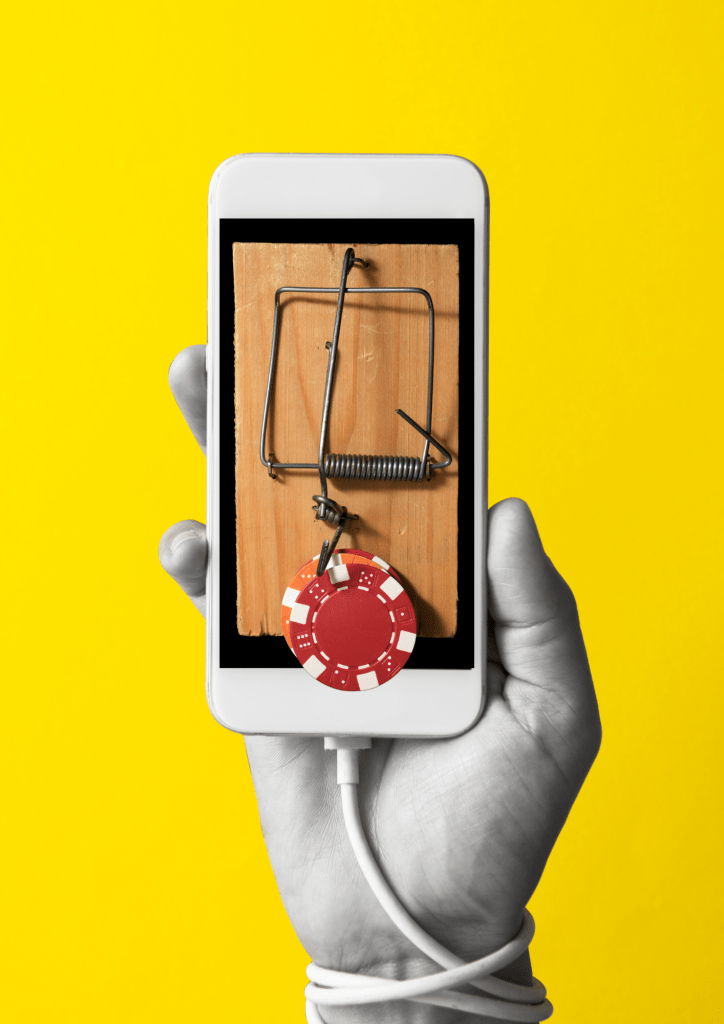
A mousetrap promises a tasty morsel. Advertisements and other enticements often promise us various sorts of reward connected with pleasure. We’re ‘all human’ and humans are often motivated by emotion more than reason. The advertising industry has always known this, and so too have designers of digital devices and products. It is true that most people do enjoy the delights of the digital world safely and with reasonable control, though this varies between individuals and often within the same individual. Too many people though are trapped into cycles of compulsive behaviours which can lead to great harms. Digital gambling is not alone in this but it provides a ‘case study’ exemplifying some of the wider issues around negative consequences of digital engagement in society.

Glasgow City Gambling Harms Reduction

The Machine Zone has gratefully received an award from the Glasgow Council for the Voluntary Sector‘s Gambling Harms Fund

This will be used for a project focused on Glasgow City between November 2022 and February 2023.

The project will aim to contribute to raising awareness of gambling harms and to challenge stigma. It will also provide an overview of Glasgow work developing in the city’s statutory and third sectors. It;s encouraging, for instance that GCVS themselves appointed a gambling harms worker this year.
In the month of November the project will:
  • Publish a website and establish social media networks
  • Produce a report which overviews the many issues around gambling harms and the work being done to challenge them. This will concentrate on the past fifteen years, refer to global and national contexts, and bring into more precise focus the situation in Glasgow today. Hopefully the report will provide workers in Glasgow who may be less familiar with the subject with a reasonable understanding. The report will also outline the Machine Zone project in detail and discuss the potentials and any obstacles facing collaborative working with particular reference to small community enterprises.
  • Continue researching prospective networking points, for example community organisations and social sectors (health and social care, justice system, education etc.)
  • Begin designing and printing materials aimed at different audiences, e.g. frontline workers, general public, and assessing distribution opportunities and constraints.

This is a small-scale project. Although we hope it will have some direct impact on raising awareness, challenging stigma and guiding those facing harms to support availability, a key aim is also to inform the many strands of multi-agency work in the city.

These strands, all working together, range through city council, statutory and third sectors, community organisations and the vital inclusion of the voices of lived experience.

During the four months of the project we shall seek to:
  • Promote our film One Last Spin both aiming to screen it at events in community venues and to offer it as a training resource. (Current expectations are that the film will enter the public domain in January 2023 when it will have a new website, though this is not yet confirmed).
  • Produce a suite of print materials. These will include posters, booklets, flyers and a quick one-sheet guide for frontline workers which will include basic advice on screening and support pathways. Materials will aim to raise awareness and provide immediate support options.
  • Continue working closely with partners and identifying new ones. Where appropriate, contributing to their work and inviting their contributions to the project (e.g. an article about their work for posting on the project website).
  • Send media releases to community-scaled enterprises (print and radio) and larger Glasgow-focused media enterprises.
  • Since this is a small-scale project we shall be researching and identifying points of reach, concentrating on communities where gambling harms are greater.
  • At the end of the project produce a second report. This will describe any developments in Glasgow and provide an evaluation of the project. The evaluation will include indentifying strengths and weaknesses and discuss any obstacles and constraints that may be faced by a small community enterprise. With regard to the latter the project as a whole may serve as a ‘case study’ of interest to workers in any voluntary sector.
  • Provide a small legacy post-project, for instance the resources produced including the website. Integrate the project into the Machine Zone’s ongoing wider work.

Technology is Us (2)

Here is the first British television advertisement in 1955

Until 1955 there was only one station. BBC. Then ITV was added – for those with enough money to own a television. Over the next ten years, with credit becoming easier (HP or ‘hire-purchase’) and companies springing up which rented out televisions. more and more people became hooked on the telly.

Things have changed somewhat. These days many people in the world’s rich countries have screens with access to thousands of television stations and millions of films.

Just as cinema and radio had, television changed the way we live and how we spent our time. One thing that has remained constant since 1955 are advertisements urging us to become good citizens of a consumer society.

In 1960 The Loneliness of the Long-Distance Runner by Alan Sillitoe was published, a few years later to become a gritty film starring Tom Courtenay. It’s centred on a young man in a Borstal (Young Offenders Institution). He narrates the story in the book, and gives a fascinating insight into the effect of advertising in the early days of commercial television.

To begin with, the adverts on the telly had shown us how much more there was in the world to buy than we’d ever dreamed of when we’d looked into shop windows but hadn’t seen all there was to see because we didn’t have the money to buy it with anyway. And the telly made all these things seem twenty times better than we’d ever thought they were. Even adverts at the cinema were cool and tame, because now we were seeing them in private at home. We used to cock our noses up at things in shops that didn’t move, but suddenly we saw their real value because they jumped and glittered around the screen and had some pasty faced tart going head over heels to get her nail-polished grabbers on to them or her lipstick lips over them, not like the crumby adverts you saw on posters or in newspapers as dead as doornails; these were flickering around loose, half-open packets and tins, making you think that all you had to do was finish opening them before they were yours, like seeing an unlocked safe through a shop window with the man gone away for a cup of tea without thinking to guard his lolly

The Loneliness of the Long-Distance Runner

The new advertisements on what were very poor black and white small screens seemed exciting because they ‘jumped and glittered around the screen’. Today, we may be drawn to the far more technically advanced flickerings and glitterings of not only advertisements. Those images and sounds we experience are designed to influence us strongly. The line from the first British television advertisement in 1955 to today’s smartphones, pads and home cinema is direct. Technology does not force us to behave in certain ways, or give decades of our lives to digital immersion, or to buy, or to gamble. But technological developments are a very big factor in how we choose, or think we choose, to live our lives.

Technology is Us (1)

One of the great scenes in cinema is from 2001: A Space Odyssey

We see an ape remove itself from the gang in a pre-human landscape.

Taking a large bone, it smashes it against rocks. It may be the world’s first hammer, the first tool.
Then the bone is thrown spinning skywards where, with a sharp film cut, it becomes a space station.

There is a long and rich history from pre-human tool use to the most advanced technologies of today.

And with each new major technology, our culture changes. The way we live changes.

Whether the pen is mightier than the sword or not, both started life as sticks. The first writing was done with a stick tracing shapes on the ground. The first weapons were sticks – clubs and spears. Writing and weaponry are major technologies that have changed the world. We take them for granted but they are all around us.

Th image on the left shows the BBC’s radio aerials from the 2LO transmitter in London’s Oxford Street in 1926. Early radio had one station (as did television until 1955 when ITV was added). Very few people were in range of the signals.

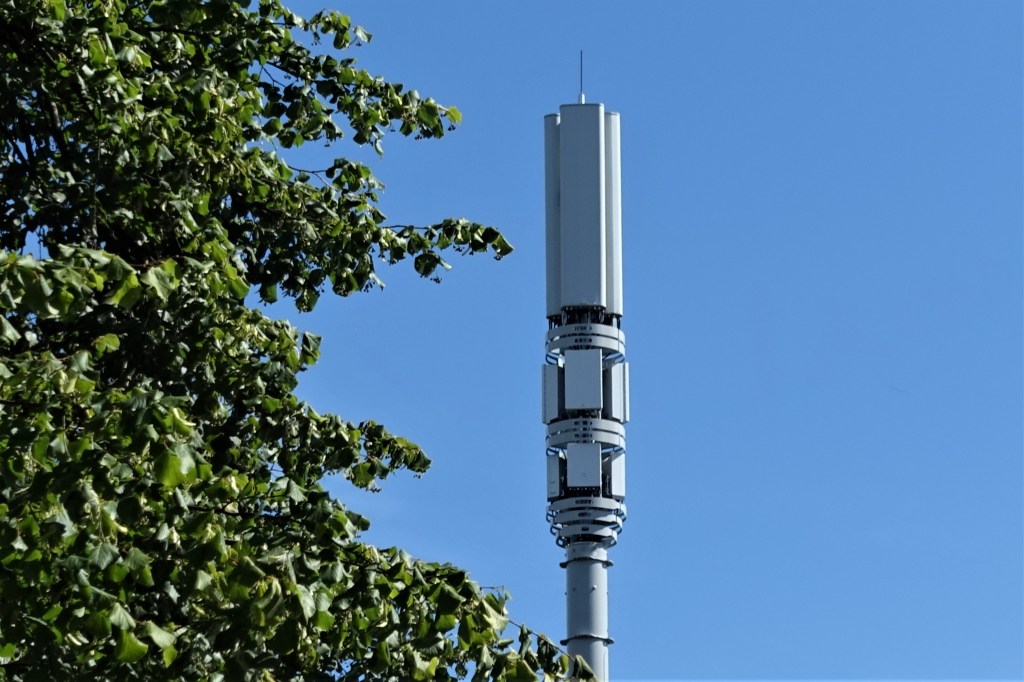
The image on the right is of a modern digital transmitter, one of thousands throughout Britain. It transmits thousands of radio and music stations, television stations and the massive worldwide web. The large majority of British people have access.

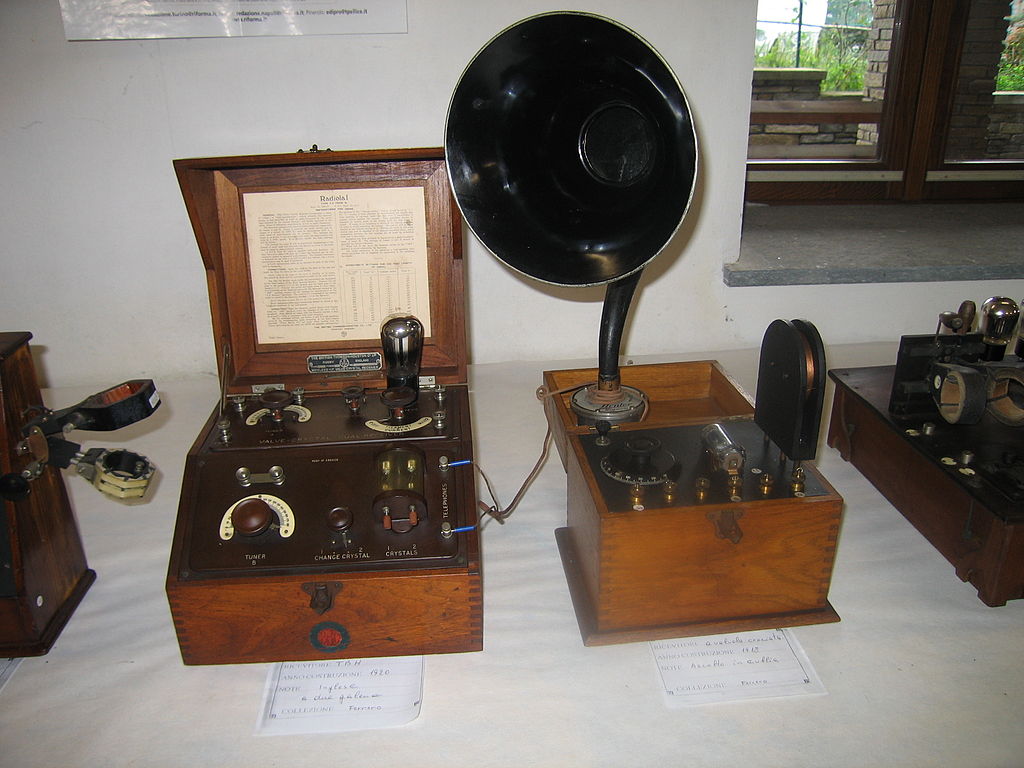
The image on the right shows a 192os radio. The one on the left is a pocket transistor radio that became popular in the late 1950s onwards, especially with young people. It was very usual to see young music lovers walking around with the radio pressed to their ear (though there was also a simple in-ear mono earphone that came with the device.

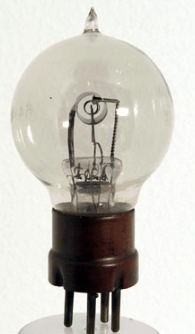
Early electronics was based around the thermionic vacuum valve. Valves consumed a great deal of electricity, wore out quickly and the glass broke easily too. In the 1940s along came the transistor (centre) to replace the valve, with a low energy consumption , much smaller and unbreakable reliability. The integrated circuit on the right, a ‘chip’ contains the equivalent of many thousands of transistors. Chips get smaller and more powerful by the year.

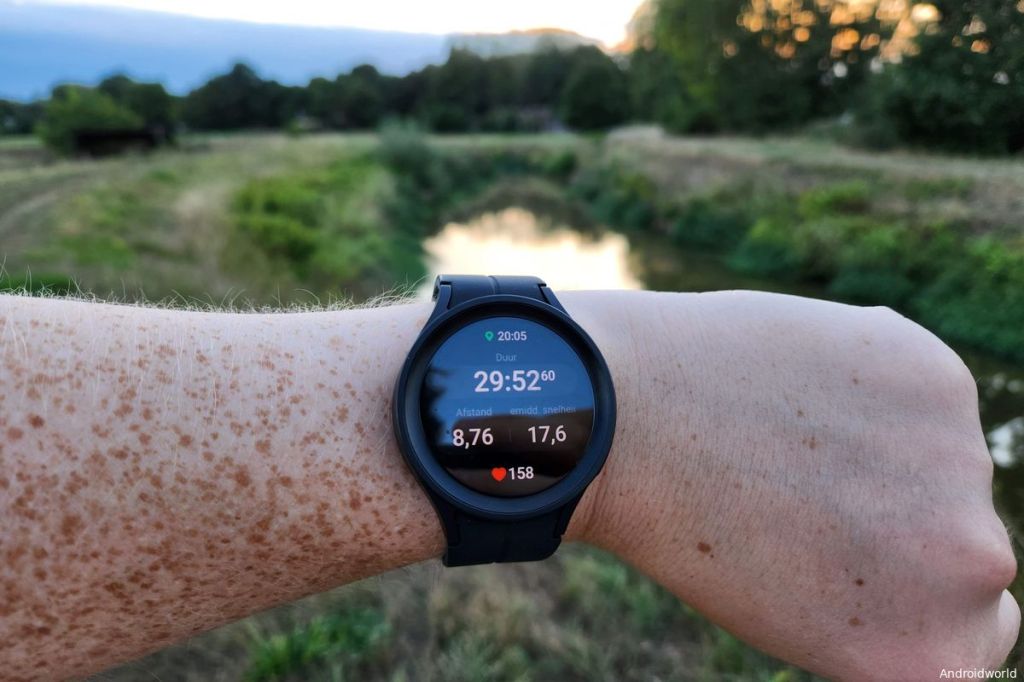
The first electronic digital computer is generally recognised as the ENIAC, 1943 (left). It contained 18.000 valves (see above, weighed 30 tons and cost,in today’s money $6 million. The smart watch on the right has immensely more computer power. A basic smart watch can be had for less than £10.

Early mobile phones were very heavy, had very limited range and were extremely expensive. Modern smartphones are relatively cheap for most people. With thousands of apps and access to thousands of businesses they are points of sale for everything from a pair of shoes to a casino bet. They have given rise to huge social media industries, 24/7 opportunities for watching films or listening to music, and also a range of supports for health and wellbeing.

Electronic media will become extensions of our nervous systems

Marshall McLuhan, 1962

/

When the ‘magic lantern’ first appeared, the earliest film projector, it was a fairground sideshow.

Nobody remotely understood that cinema would become a multi-trillion pounds industry that would impact on our ways of life.

While military and ship-to-shore radio was established in the first decades of the twentieth century, most people thought the idea of sitting by a box listening to voices and music was ridiculous.

Today, because of technological advances, whether we like it or not we are all inhabitants of a digital planet.

Just a concluding question: before we became extensions of digital machinery, before we gave so much of ourselves to digital connection what did we do? How did our grandparents or their ancestors live differently?
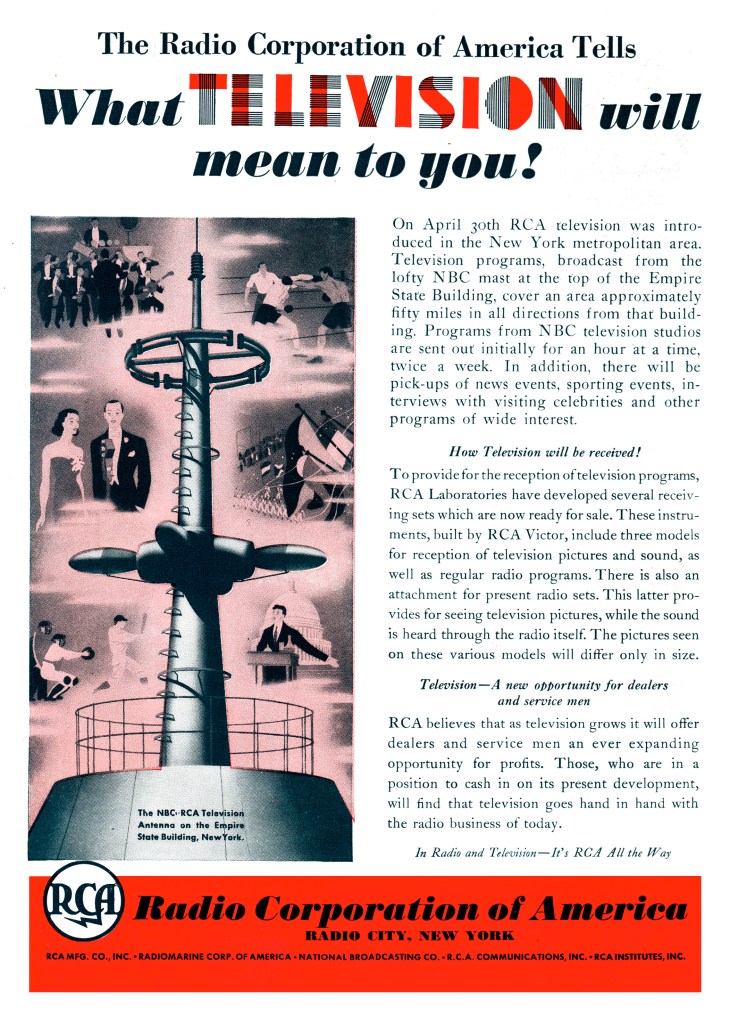
1939 advertisement about the coming of television to the USA

One Last Spin: full credits

On a personal note, I am extremely grateful to everyone who participated in the making of this film. It took over two years to make because of the pandemic and if it wasn’t for the patience and perseverance of those involved, this film would have never gotten made. I also want to thank the cast and crew for giving their time and talents to this, it was a joy to work with each of you! But the biggest acknowledgement and appreciation goes to the brave participants who provided their stories for this film, we all thank you

Ross Donald, Director

Credits

Directed by: Ross Donald

Produced by: Sophie Chater, Anna Frances & Claudia Docherty

Executive Producers: Martin Paterson & Adrian Bailey

Directors of Photography: Leon Brehony & Jamie Brown

Contributors: Martin Paterson, Kelly Field, John Myers: Tony Franklin, Gerda Reith, Ronnie Cowan & William Griffiths

Starring: Brian Robson, Deborah Anderson, Sean Tizzard, Joanna Littlefield & Dean Alexander

First Camera: Delilah Rose Niel, Fiann Macleod & Luca Michelli

Second Camera: Spike Wright & Matt Gibb

Sound: David McKeitch

Gaffer: Klaudia Bourbely, Niamh Gilhooly & Leonidas Eleftheriadis

Art Director: Jenna Callaghan

Wardrobe: Hannah Danson

Hair and Make Up: Steph Brewster, Brandon Allan, Charlie McGuire

Runner: Jamie Mackinlay

Editor: Ross Donald

Colourist: Beth Woodruff

Sound Design and Mix: David Mckeitch

Composer: Owen Devlin

Graphic Designer: Dalila D’Amico

Serviced By: Media Dog Camera Hire, Progressive Broadcast Hire & Hireacamera

Support From: Alliance, Scotland Reducing Gambling Harm, Gamban, GamLearn, EPIC Risk Management, NHS Scotland

Production Company: Reverie Films

In Association With: The Machine Zone

One Last Spin

An unflinching look at gambling addiction through the eyes of recovering addicts. One Last Spin explores the environments that condition people to gamble and the devastating effects it has on their lives and communities

If you’d like to see the film with a view to screening it in your own work, organisation or community please drop a line to info@gamblingwatchscotland.org.uk